

Polyurethanes are among the most versatile and widely used polymer materials in modern manufacturing.
They are found in products ranging from commercial refrigeration systems and insulation panels to automotive seating, coatings, adhesives, industrial equipment, and consumer goods.
Their adaptability, durability, thermal performance, and processing flexibility have made polyurethane systems essential across a broad range of industries and applications.
The chemistry behind polyurethane.
Polyurethane is formed through the chemical reaction of polyols and isocyanates. When combined with catalysts, surfactants, additives, and blowing agents, these materials create polymer structures with highly customizable physical properties.
- Flexible foam
- Rigid foam
- Elastomers
- Adhesives
- Sealants
- Coatings
- Fibers
- Structural components
This flexibility allows manufacturers to engineer polyurethane systems for specific performance requirements including density, flexibility, thermal insulation, dimensional stability, and durability.
How polyurethane foam is produced.
In foam applications, polyurethane components react and expand through an exothermic process that creates a cellular foam structure. Blowing agents used during production help form these cells, which directly influence foam performance characteristics such as:
- Thermal insulation
- Density
- Compression strength
- Structural integrity
- Moisture resistance
- Dimensional stability
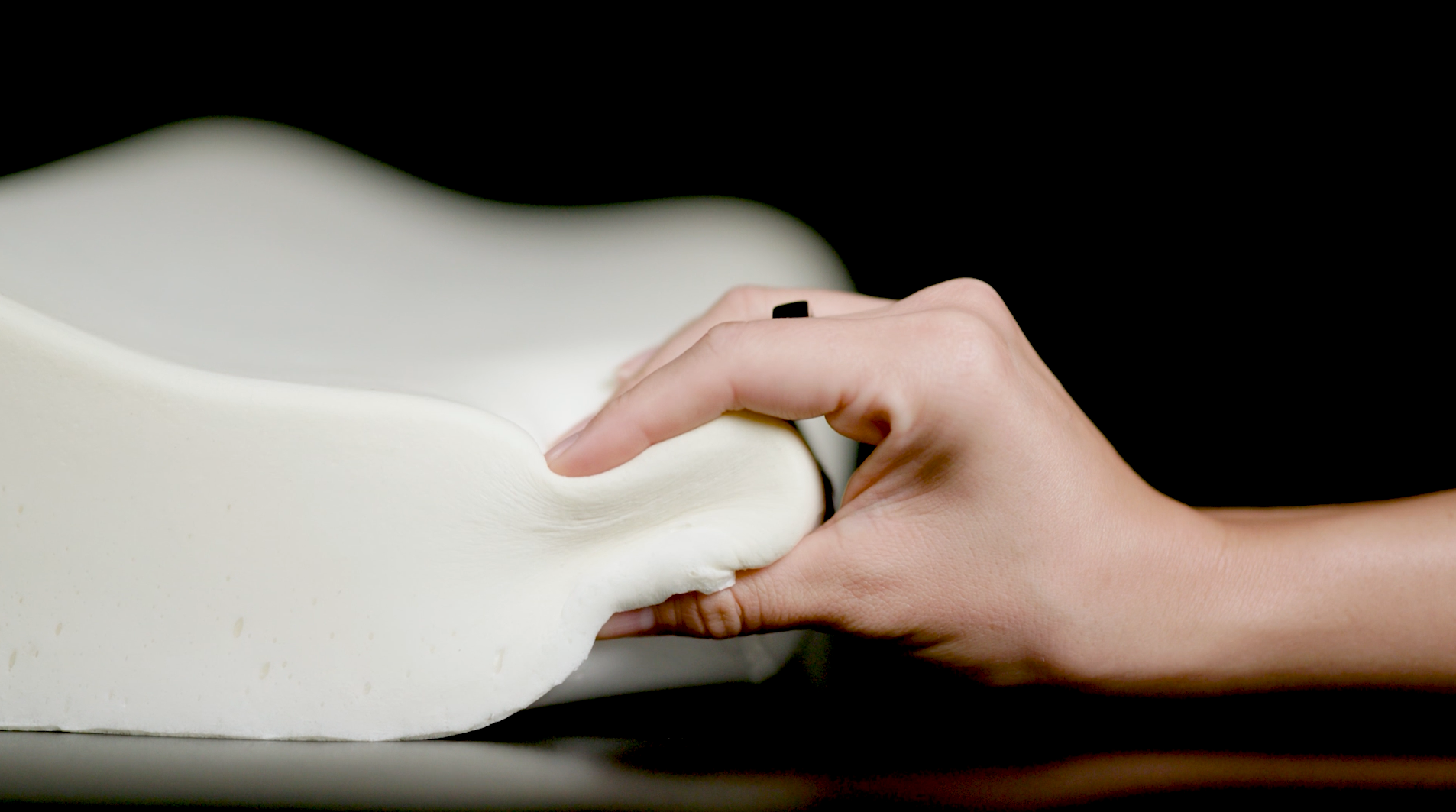
Rigid polyurethane foam typically features a closed-cell structure designed for thermal insulation and energy efficiency, while flexible polyurethane foam is engineered for cushioning, comfort, and energy absorption.
Polyurethane systems can be processed through spraying, pouring, molding, casting, or laminating depending on the application and manufacturing environment.
Rigid polyurethane foam applications.
Rigid polyurethane foam is widely used in thermal insulation applications where energy efficiency and structural performance are critical.

Because rigid polyurethane foam delivers strong thermal resistance with relatively low material weight, it plays a major role in reducing energy consumption across refrigeration and building applications.
Flexible polyurethane foam applications.
Flexible polyurethane foam is commonly used in products that require comfort, resilience, and impact absorption.
- Furniture cushioning
- Mattresses
- Automotive seating
- Packaging materials
- Carpet underlay
- Recreational products
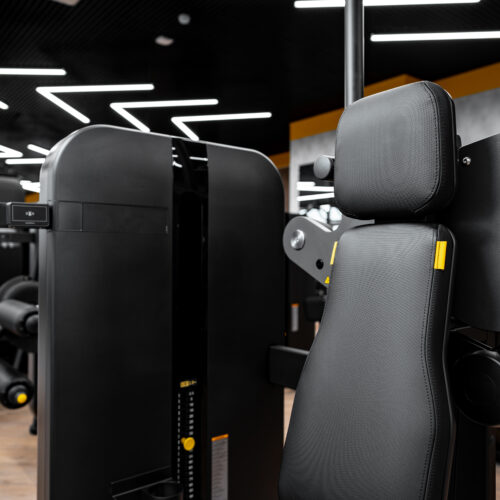
Flexible foams are designed to maintain comfort and performance over long product lifecycles while supporting lightweight product design.
Polyurethane elastomers and coatings.
Polyurethane elastomers combine flexibility with toughness, abrasion resistance, and chemical resistance. These materials are commonly used in demanding industrial environments that require long-term durability and performance.
- Industrial wheels and rollers
- Mining equipment
- Automotive components
- Protective coatings
- Industrial liners
- Machinery parts

Polyurethane coatings are also widely used to protect surfaces from corrosion, moisture, impact, and environmental exposure.
Why manufacturers use polyurethane.
Polyurethane materials provide a combination of properties that are difficult to achieve with many alternative materials.
- Thermal performance Rigid polyurethane foam provides excellent insulation performance that helps improve energy efficiency in refrigeration and construction applications.
- Lightweight strength Polyurethane systems can deliver structural performance while reducing overall product weight.
- Durability Polyurethane materials resist wear, moisture, chemicals, abrasion, and environmental stress, supporting long service life.
- Processing flexibility Polyurethane systems can be engineered for multiple manufacturing methods and production environments.
- Design versatility Manufacturers can customize polyurethane formulations to achieve specific hardness levels, densities, flexibility profiles, thermal properties, and processing characteristics.
Sustainability and polyurethane innovation.
The polyurethane industry continues evolving in response to increasing environmental standards and sustainability goals.
Modern polyurethane technologies increasingly focus on:
- Lower global warming impact
- PFAS-free formulations
- Reduced VOC emissions
- Improved energy efficiency
- Regulatory compliance
- Long-term product sustainability
Blowing agent technology plays a major role in this transition. Environmentally responsible solutions such as Ecomate® help manufacturers move beyond legacy blowing agents while maintaining reliable foam processing and product performance.

- Zero global warming potential (GWP)
- Zero ozone depletion potential (ODP)
- No VOCs
- PFAS-free chemistry
- EPA SNAP compliance
These advancements allow manufacturers to improve environmental performance without sacrificing operational efficiency or foam quality.
Polyurethane in modern manufacturing.
From improving energy efficiency in refrigeration systems to supporting lightweight automotive components and durable industrial products, polyurethane continues to play a critical role across modern manufacturing.
Its unique combination of thermal performance, strength, durability, and processing versatility allows manufacturers to engineer solutions that meet evolving performance demands while supporting sustainability and regulatory goals.
As industries continue advancing toward more efficient and environmentally responsible technologies, FSI’s polyurethane innovation will remain at the center of product development across refrigeration, HVAC, construction, transportation, appliances, and industrial manufacturing.

SERVICE WHAT WE SELL
Responsive Technical Support
FSI stands out for its unmatched customer support and industry expertise. We’ve helped businesses launch foaming operations, engineered specialized foam systems to tackle complex challenges, and provided continuous on-site service to ensure optimal performance.
- Routine on-site services
- Production demo, trial, and implementation
- Process consultation
- Custom formulations
Global reach.
Tailored support.
FSI serves manufacturers on an international scale with a sales, production and distribution network that spans the globe.